Sometimes You Win Sometimes You Learn: A Creative Perspective on Design and Flexibility
In the world of design, where every pixel matters and every decision can shape the final outcome, the phrase "Sometimes You Win Sometimes You Learn" resonates deeply. It reflects the reality that not every project will go as planned, but each challenge offers an opportunity for growth. This mindset is particularly relevant when working with digital assets like PSD files, which are often at the heart of creative workflows. Whether you're a graphic designer, a marketing professional, or a business owner, understanding how to work with these files can make all the difference.
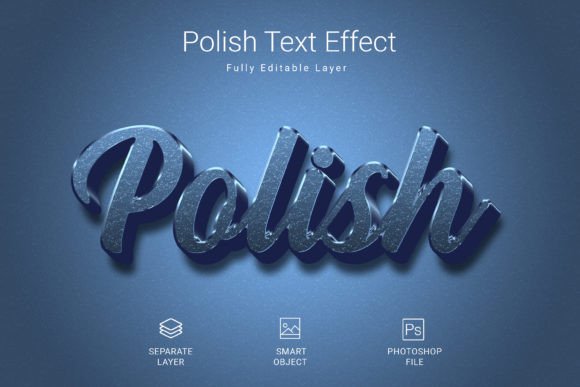
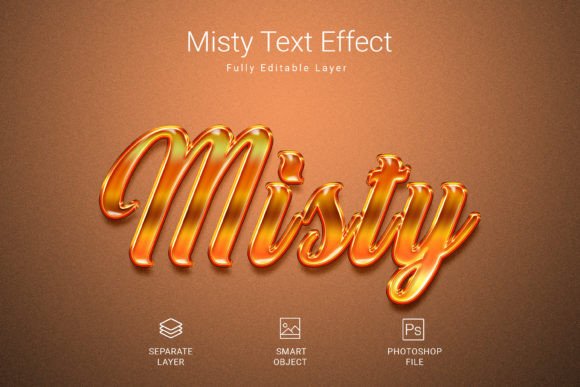
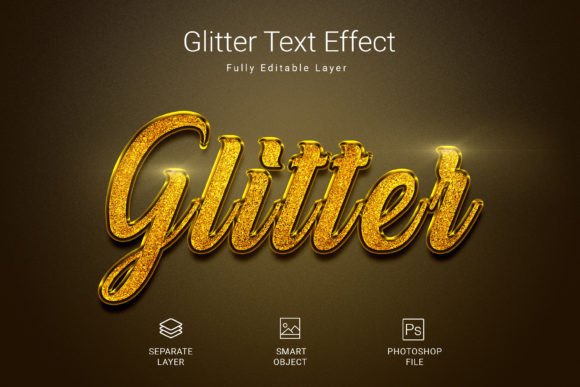
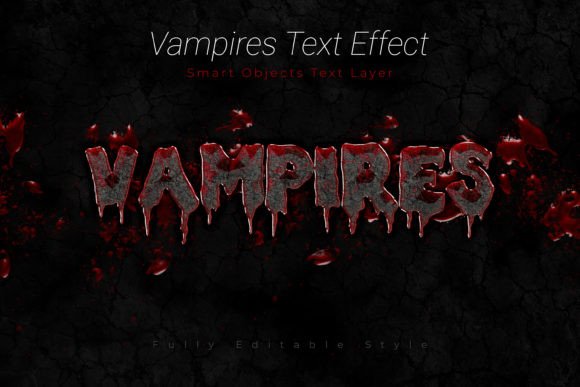
One of the most valuable features of a well-structured PSD file is its ability to be edited. With smart object replacement, designers can easily swap out elements without compromising the integrity of the overall design. This flexibility allows for quick adjustments, making it easier to adapt to changing requirements or client feedback. The process is straightforward—simply replace the smart object with a new image or element, and the rest of the design remains intact.
The quality of the assets used in a PSD file also plays a crucial role in the final output. High-resolution images, such as those with a 3000×3000 pixel dimension, ensure that designs look sharp and professional across various platforms. Whether you're creating a print layout, a website banner, or a social media graphic, having access to high-quality visuals can significantly enhance the visual appeal of your work.
Another key aspect of working with PSD files is the organization of layers. A well-structured layer system makes it easier to navigate through complex designs and locate specific elements. This is especially important when multiple team members are involved in a project, as it ensures that everyone can understand and contribute to the design without confusion. Organized layers also allow for more efficient editing, as changes can be made to individual components without affecting the rest of the composition.
For those who are new to working with PSD files, the learning curve can be steep. However, many resources are available to help users get started. From tutorials that explain the basics of layer management to guides on using smart objects, there's a wealth of information that can help improve your workflow. Additionally, some PSD packages come with a Read Me.txt file that includes instructions, font links, and other useful details. This documentation can be invaluable for ensuring that the design is used correctly and effectively.
When it comes to typography, the choice of font can have a significant impact on the overall look and feel of a design. Many PSD files include a link to a specific font, allowing users to download and install it for consistency. This attention to detail ensures that the design remains visually cohesive, even when shared or modified by others. It also highlights the importance of considering typography as part of the design process, rather than an afterthought.
While the technical aspects of working with PSD files are important, the real value lies in their practical applications. For instance, a business owner might use a pre-designed PSD template to create marketing materials quickly and efficiently. A teacher could use a similar file to develop engaging presentations or handouts. In each case, the ability to edit and customize the design is what makes it truly useful.
One of the main advantages of using a PSD file is the ease with which it can be adapted. Whether you need to change the color scheme, adjust the layout, or add new elements, the editable nature of the file allows for a high degree of customization. This flexibility is particularly beneficial in fast-paced environments where time is a critical factor. By leveraging the features of a well-designed PSD, you can save time and effort while still achieving professional results.
However, it's important to consider the limitations of working with PSD files. Not everyone has access to Adobe Photoshop, and some users may find the software difficult to navigate. In such cases, alternative tools or file formats may be necessary. That said, the benefits of working with PSD files often outweigh these challenges, especially when the goal is to maintain a high level of control over the design.
As technology continues to evolve, so too do the tools and techniques used in digital design. The concept of "Sometimes You Win Sometimes You Learn" serves as a reminder that creativity is a process, not a destination. Each project presents an opportunity to learn something new, whether it's about design principles, software capabilities, or workflow efficiency. By embracing this mindset, designers and creators can continually improve their skills and produce better work over time.
Ultimately, the value of a well-crafted PSD file goes beyond its technical specifications. It represents a foundation upon which creativity can flourish, offering both structure and flexibility. Whether you're a seasoned professional or just starting out, understanding how to work with these files can open up new possibilities and enhance your creative potential. With the right tools and a willingness to learn, the journey of design becomes not just a task, but a rewarding experience.
As you explore the features of a PSD file, keep in mind that the true power of these assets lies in their adaptability. From smart object replacement to organized layers, each element contributes to a more efficient and effective design process. By taking advantage of these features, you can create high-quality work that meets your needs and exceeds expectations.
Whether you're looking to streamline your workflow, improve your design skills, or simply gain a deeper understanding of digital assets, the insights provided here can serve as a valuable resource. Remember, the path to mastery is often paved with challenges, but each one is an opportunity to grow and learn. With the right approach, you can turn every design project into a valuable learning experience.